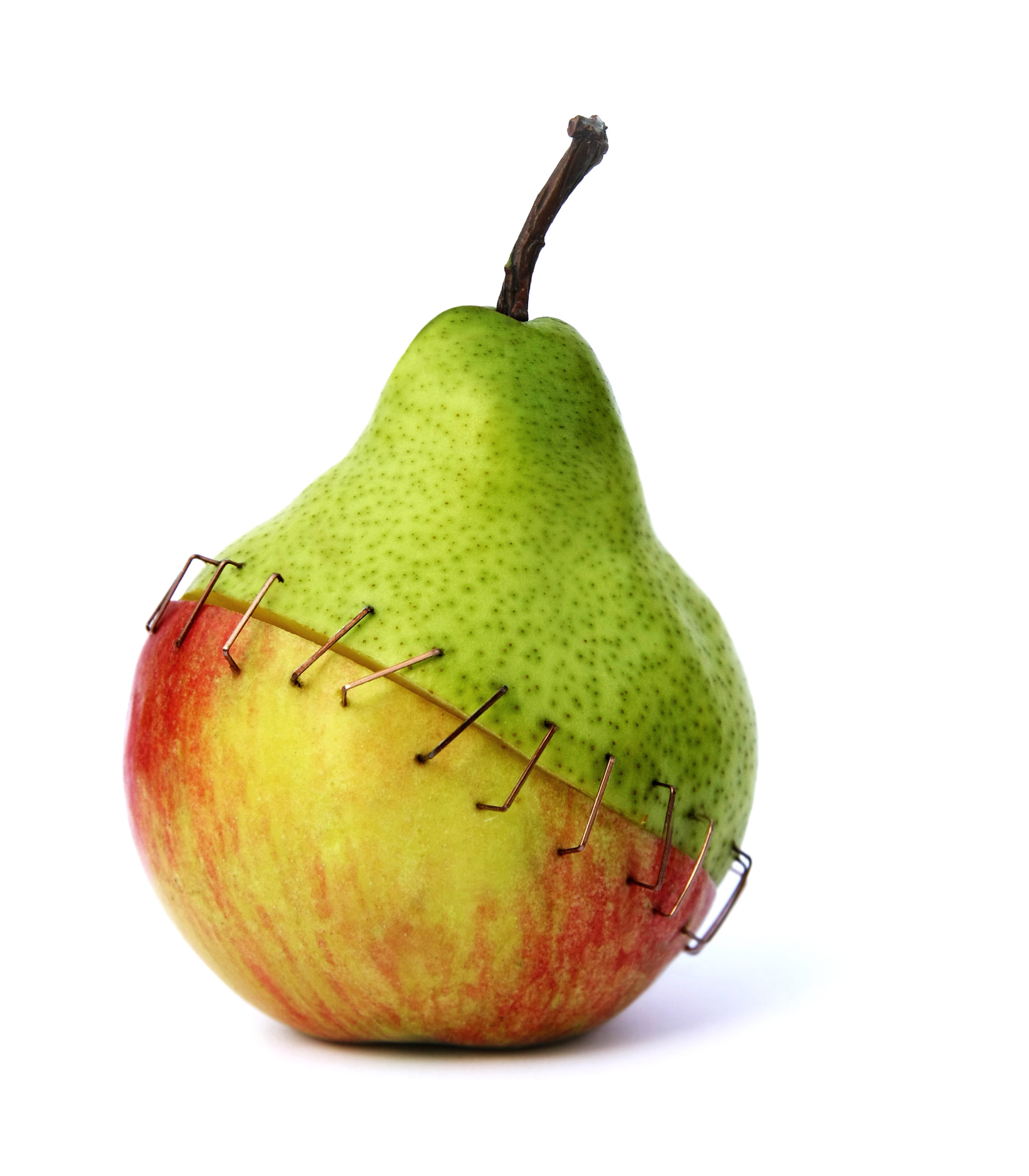
Genetic engineering is the fascinating process of manipulating the DNA of an organism to change or create certain characteristics. It allows scientists to select specific genes to avoid undesirable traits and create a “custom” organism. Genetically modified foods are a controversial topic internationally, with the argument that it isn’t natural. However, there are many that see the opportunities of GM foods, as well as medication, and more.
Genetic Engineering Facts
- The first genetically modified bacteria was created back in 1973. They pioneered the way forward for genetic engineering on medicine and pharmacology, industry, and agriculture.
- Genetically engineered mice were created in 1974. These mice have been used to study genetics further, as well as to find cures for terminal diseases and viruses like the Coronavirus.
- Genetically modified food has been sold since 1994.
What is Genetic Engineering Used For?
This may seem like a foreign concept that isn’t necessarily close to home, but GMOs (genetically modified organisms) can be found in your own fruit bowl! Here are some examples of genetically engineered organisms that you can find locally.
Bananas
Every banana we find today is a clone. Bananas can no longer grow in the wild and will need human assistance to continue its existence. This could be done entirely naturally with a cutting or runner, or artificially induced with plant hormones in a laboratory.
Onions
Although not all onions are genetically modified, there was a genetic experiment done to create onions that don’t make your eyes water when you cut them. The experiment proved a success, as the scientists managed to lessen the onion enzyme that causes your eyes to burn; it also enhanced the onion’s nutritional value.
Purple tomatoes
Purple tomatoes cannot be found your local grocery store, but they are very much in existence. An English research group transferred a gene from a decorative plant into a tomato, which turned the tomato dark blue. The tomatoes were later given to mice, and it was found that the food prevented the mice from getting cancer.
Although Geneway does not offer genetic engineering services in any way, we are passionate about the study of genes and how they affect our lives and those of the next generation. For gene testing in South Africa, contact one of our experts.