Wellness genetic testing doesn’t only test for dietary patterns in your genes. Genetic health testing can give you insight into multiple bodily functions and processes, and how they are affected by your genes. These tests equip you with the information you need to make changes in your lifestyle to ensure that you can live your absolute best life.
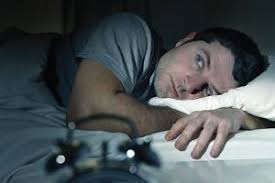
One of these tests includes genetic testing for circadian rhythm (or sleep) disorders. Some sleep disorders are handed down genetically, and can only be dealt with sustainably once the problem has been detected. Oftentimes people try to overcome sleep issues with sleeping pills, but these should be used as short-term solutions, or they can cause an array of unwanted side effects.
Types of Genetic Sleep Disorders
The connection between genes and sleep cycles is a reactivity to stress. A higher stress reactivity may increase the chances of sleep disorders. There are a few sleep disorders that can develop from higher stress reactivity.
Insomnia
Insomnia is a sleep disorder that may be inherited, or developed over time by stress and poor sleep habits. It is a disorder that prevents you from either falling asleep, or staying asleep. Insomnia can impair cognitive function, affect judgement and memory, stunt weight loss efforts, and have other negative effects on the body. If your insomnia has been inherited, it is best to get genetically tested for it and subsequently receive medical advice on how to fix it safely and sustainably.
This circadian rhythm sleep disorder is genetically passed down and affects levels of melatonin (the sleep hormone naturally produced by your brain). Symptoms include extreme sleepiness in the early evening, and complete lack of sleep in the early hours of the morning.
If you are struggling with sleep, and your family members have had similar complaints, it is very worth getting a genetic test done. By being informed, the problem can be fixed quickly and effectively, or at the very least, the symptoms alleviated.
Contact us today to find out whether you have a genetic predisposition to sleep disorders, or other potential health problems.